Sailbuoy – The Technology
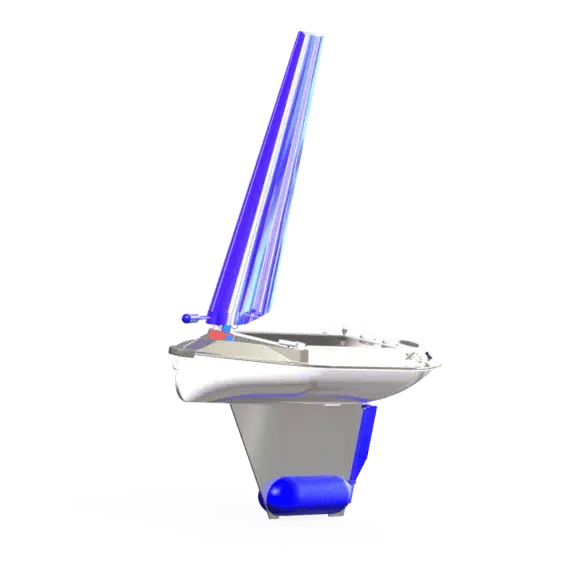
The Sailbuoy MK 4 uses wind power for propulsion. Solar panels provide power for the electronics and actuators. Data communication and control are established in real-time using the satellite system through a user-friendly web interface.
Power Consumption
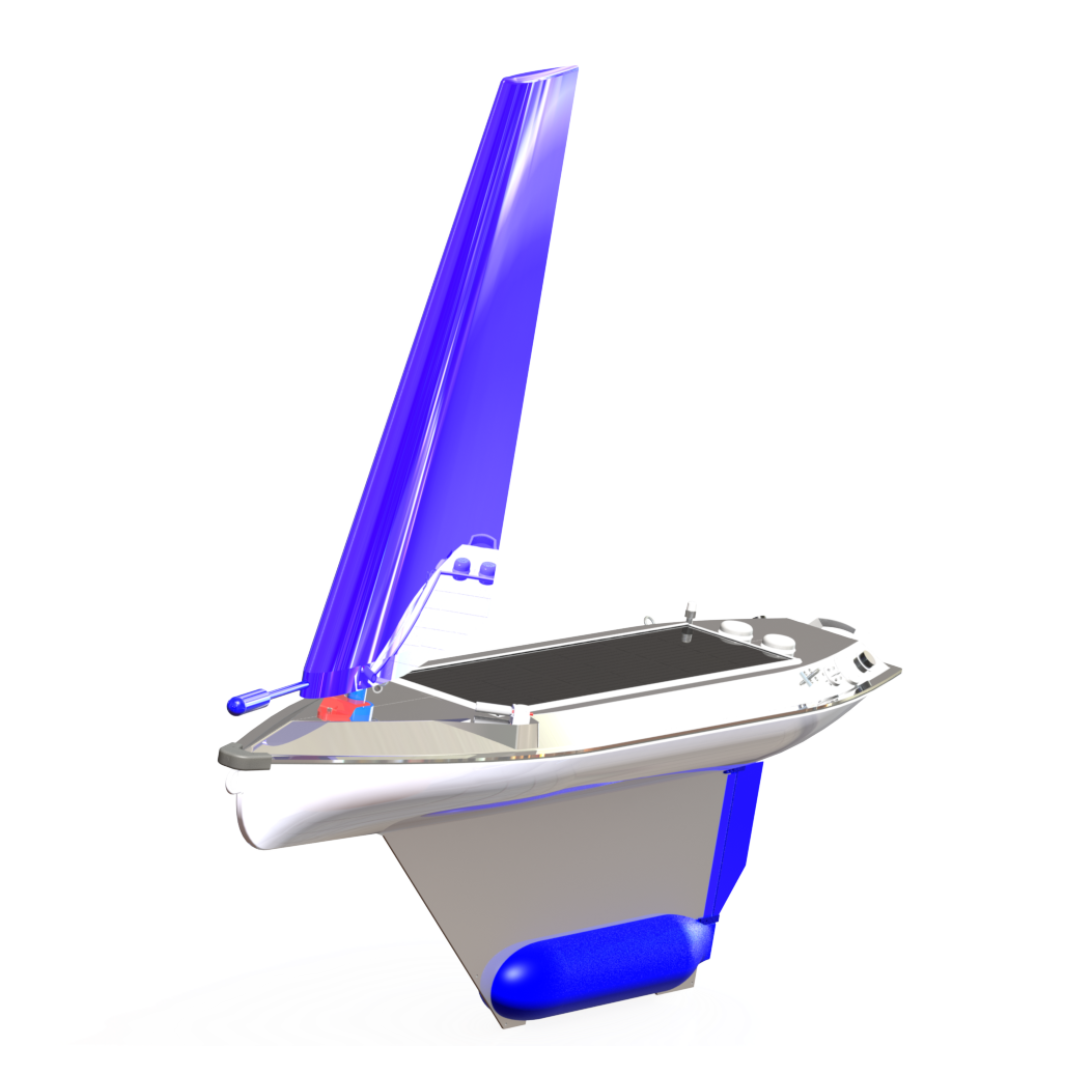
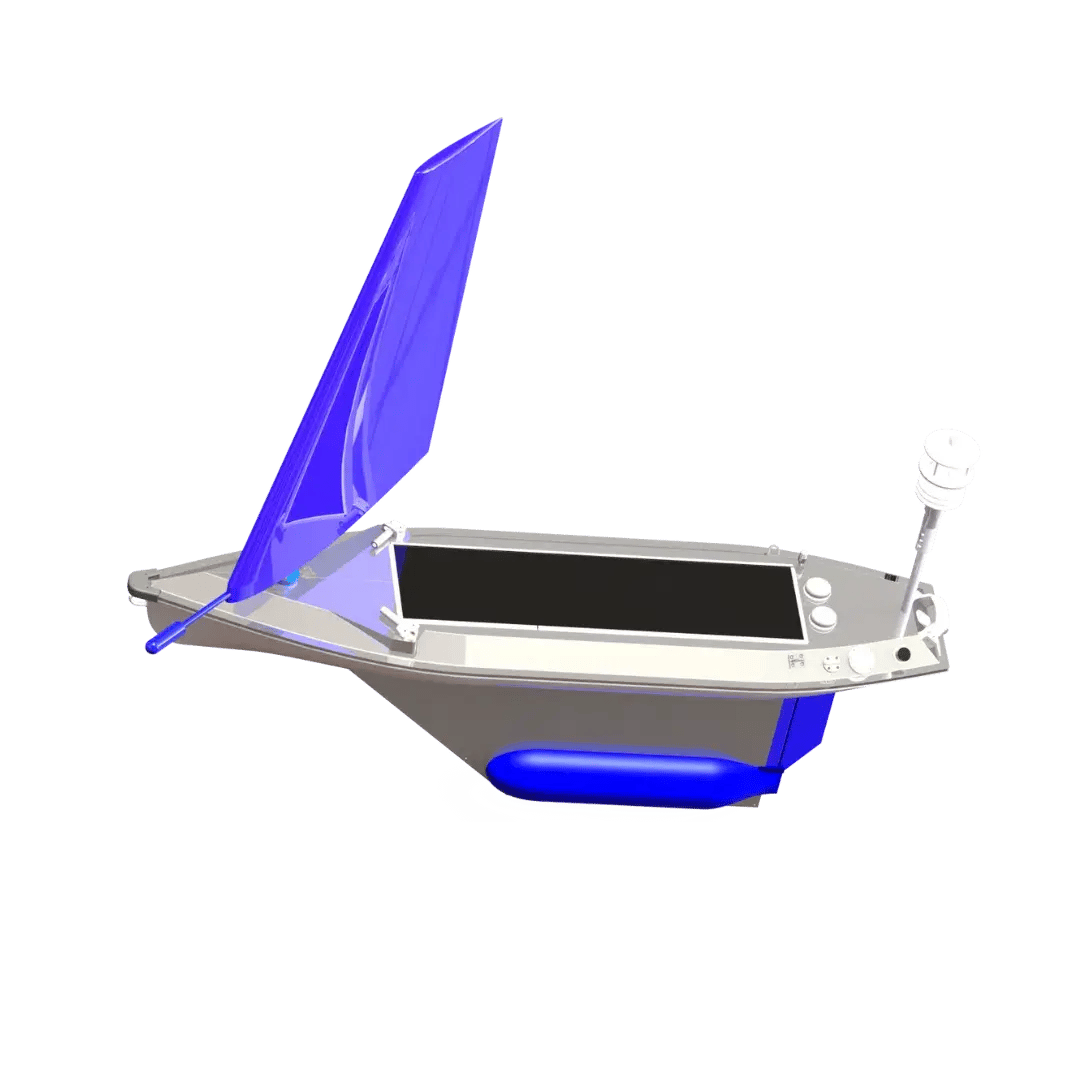
The Sailbuoy technology makes the vessel use very little power. The internal autopilot battery pack holds enough energy to navigate for six months without charging. Batteries and solar panels power the onboard electronics and actuators. Not dependent on solar power for navigation, the Sailbuoy is an attractive platform for high latitudes with limited solar power.
To conserve energy, the sensor payload can be in a low-power state until the Sailbuoy arrives at the area of interest or until the solar panels recharge the payload batteries. This is a unique feature not found on other autonomous vessels.
Explore Sailbuoy
The Sailbuoy is an application-based USV that can carry various sensors for various ocean applications, from measuring ocean and atmospheric parameters to tracking oil spills or acting as a communication relay station for subsea instrumentation.
Explore the Sailbuoy by clicking the cards.
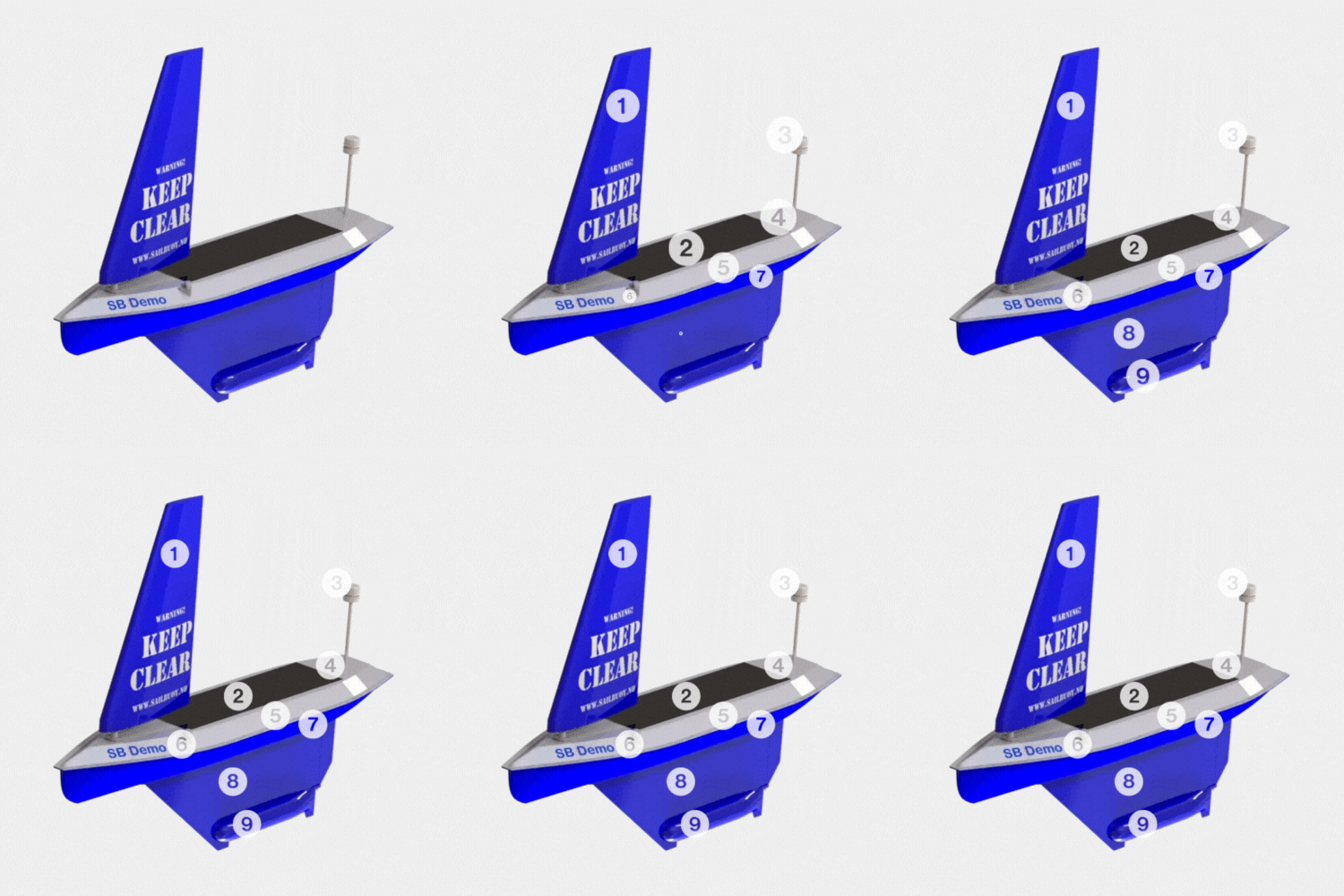
1 - Sail
Tested to 30 m/s wind. Speed: 1-3 knots.
2 - Solar panels
30 W solar panels. 4 months of navigation endurance on one charge, including communication, actuator control, positioning and calculation.
3 - Meteorological sensors
Measure meteorological parameters such as air temperature, heating above the ocean surface, wind speed (steady and gusting), barometric pressure, and wind direction.
4 - Antennas
Iridium data service.
5 - Payload
Autopilot System: This system enables autonomous navigation along predefined routes, with real-time capability to update settings and adjust the course as needed.
Battery Pack: Equipped with high-capacity 30 Ah batteries, providing reliable power for extended operations.
Datalogger: Collects, stores, and organises data from onboard sensors, ensuring seamless data management for analysis and reporting.
6 - Wave sensors
Wave conditions, height, and dominant wave period. Cover the oceans for weather forecasting and climate change studies.
7 - Water quality sensors
Chemical, physical and biological properties can be monitored based on the desired water parameters of each research initiative. Parameters that are frequently sampled or monitored for water quality include dissolved oxygen (DO), temperature, turbidity, photosynthetically active radiation (PAR), chlorophyll, blue-green algae, rhodamine dye, fluorescein dye, CDOM/FDOM, refined fuels/crude oil, tryptophan, pressure, optical brighteners and phycoerythrin.
8 - Hull Center
Doppler Current Profiler Sensor (DCPS). It enables acoustic wave measurements in addition to profiling currents.
9 - Bulb
The following advanced sensors are mounted to enhance data collection and analysis:
Scientific Echosounder: For precise underwater mapping and acoustic measurements.
Triple-Channel Biogeochemical Sensor: To monitor critical environmental parameters, such as oxygen levels and nutrient content.
Triple-Channel Fluorometer: This detects and analyses fluorescence signals, including chlorophyll and dissolved organic matter.
Acoustic Modem: Ensures reliable subsea communication and data transmission.
eDNA Sensor: This device facilitates collecting and analysing environmental DNA, offering insights into marine biodiversity and ecosystem health.
These sensors work in synergy to deliver comprehensive and high-resolution oceanographic data.
Technical Data 

Length: 2m

Displacement (weight): 60 kg

30W solar panels

Maximum mission duration: 12 months

Average Speed: 1-3 knots

Navigable wind speed range 2-20 m/s
Payload: 15 kg / 60 dm3
Data & Control Portal
The Sailbuoy is controlled through the Offshore Sensing Sailbuoy Mission Control (SMC) Web-based portal. The SMC can also be accessed with mobile devices for user-friendly monitoring. The payload communication and data can also be accessed through the SMC.
Access to a website is given. There, you can update waypoints and download data from the Sailbuoy. Also, here, user-friendliness has been a priority. Experience has shown that most of the time used goes towards monitoring the progress of the Sailbuoy during the mission. The website is also adapted to mobile phone usage. Here, the operator can log in to control and monitor the Sailbuoy’s progress. The payload communication also uses the same interface for control and data retrieval.